Dump Yard for Concrete Asphalt Brick Dirt and Concrete Recycling in San Fernando Valley

Updated: Oct 8
Construction cleanup gets expensive fast when heavy material has nowhere to go. Concrete, asphalt, brick, and dirt are not the same as regular trash. They are dense, messy, and often reusable when handled the right way.
A good local dump yard gives contractors, landscapers, haulers, and property owners a place to unload clean hardscape debris without mixing it with household junk. Even better, concrete recycling keeps reusable material out of landfills and turns it into base rock, road base, and other construction aggregate.
Visit Los Angeles Disposal
Your trusted dump yard and concrete recycling facility in Sun Valley, CA, accepting concrete, asphalt, brick, dirt, and construction debris.
📍 9760 Glenoaks Blvd, Sun Valley, CA 91352📞 (818) 625-9256
Serving Los Angeles, Burbank, Glendale, North Hollywood, Van Nuys, and surrounding areas.

What a dump yard for heavy materials accepts
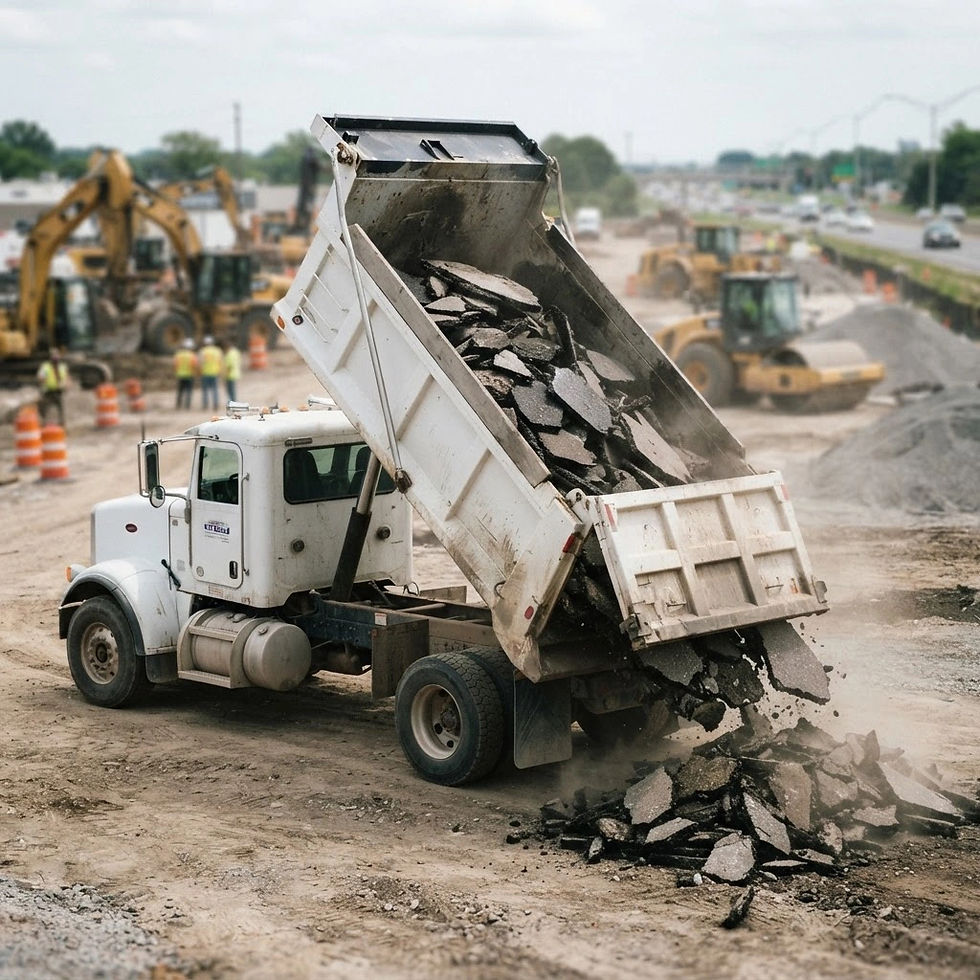
A dump yard for construction materials usually focuses on dense, inert debris. These loads come from demolition, driveway replacement, patio removal, trenching, grading, and small excavation jobs.
Common accepted materials often include:
Concrete
Driveways, sidewalks, curbs, slabs, footings, and broken flatwork.
Asphalt
Removed parking lots, road patches, driveways, and blacktop.
Brick
Masonry walls, pavers, chimneys, and landscape edging.
Dirt
Clean soil from digging, grading, trenching, and yard work.
The cleaner the load, the easier it is to recycle or place in the right pile. A load of concrete with soil mixed through it may cost more or get rejected at some yards. A load with trash, plastic, green waste, wood, drywall, or hazardous material can create bigger problems.
For the smoothest drop-off, separate materials before loading the truck. Put concrete in one load, dirt in another, and asphalt in another when possible. That simple step can save time at the scale and reduce confusion at the dump area.
Why concrete recycling matters in the San Fernando Valley
Concrete is heavy, but it is also highly reusable. Once the rebar, trash, and other unwanted material are removed, concrete can be crushed into different sizes. That crushed material can return to construction projects as road base, backfill, drainage rock, or compactable base under new slabs and paving.
That matters in the San Fernando Valley because construction and remodeling happen year-round. Older driveways get replaced. Pool decks come out. Commercial lots get resurfaced. Utility trenches get opened and closed. Without recycling, much of that material would take up landfill space even though it still has value.
Using a dump yard for concrete asphalt brick dirt and concrete recycling in San Fernando Valley cities also helps keep hauling routes practical. Heavy debris should not travel farther than needed. Shorter trips mean less fuel, less time in traffic, and faster turnaround for crews.

San Fernando Valley cities and communities served
The San Fernando Valley includes a mix of incorporated cities and City of Los Angeles communities. When people search for a local dump yard, they often use the name of the nearest neighborhood rather than the larger city name.
San Fernando Valley cities and communities commonly associated with local construction hauling include:
Area | Typical material needs |
Burbank | Asphalt, concrete, brick, clean dirt |
Calabasas | Dirt, concrete, driveway debris, pavers |
Glendale | Concrete, asphalt, masonry debris |
Hidden Hills | Dirt, brick, concrete, landscape removal |
San Fernando | Concrete, asphalt, dirt, demolition debris |
Arleta | Sidewalk concrete, soil, brick |
Canoga Park | Asphalt, slab concrete, dirt |
Chatsworth | Dirt, concrete, grading material |
Encino | Concrete, pavers, clean soil |
Granada Hills | Dirt, asphalt, driveway debris |
Lake Balboa | Concrete, brick, yard excavation soil |
Lake View Terrace | Dirt, concrete, equestrian property cleanup |
Mission Hills | Concrete, asphalt, brick |
North Hills | Slab concrete, soil, mixed hardscape |
North Hollywood | Concrete, asphalt, brick, demolition debris |
Northridge | Dirt, concrete, patio removal |
Pacoima | Concrete, asphalt, clean fill |
Panorama City | Brick, concrete, asphalt |
Porter Ranch | Dirt, concrete, hardscape removal |
Reseda | Driveway concrete, soil, brick |
Shadow Hills | Dirt, concrete, landscape material |
Sherman Oaks | Brick, concrete, pavers, asphalt |
Studio City | Concrete, masonry, clean dirt |
Sun Valley | Concrete, asphalt, dirt |
Sylmar | Dirt, concrete, asphalt, brick |
Tarzana | Concrete, brick, soil |
Toluca Lake | Concrete, asphalt, pavers |
Valley Glen | Dirt, concrete, brick |
Valley Village | Concrete, asphalt, small demolition loads |
Van Nuys | Concrete, asphalt, dirt, brick |
Warner Center | Asphalt, concrete, construction debris |
West Hills | Dirt, concrete, pavers |
Winnetka | Brick, dirt, driveway concrete |
Woodland Hills | Concrete, asphalt, dirt, hardscape debris |
Some border areas are described differently depending on the map, the hauler, or the job address. The practical goal is the same: find a nearby yard that can take the material legally and safely.
How to prepare a load before going to the yard
A dump yard visit goes better when the material is sorted and easy to inspect. Most problems happen when clean recyclable debris gets mixed with trash.
Before leaving the job site, check for these items and remove them:
Wood, roots, palm fronds, and green waste
Plastic bags, buckets, and packaging
Drywall, insulation, and roofing debris
Paint, oil, chemicals, and treated material
Excessive metal, wire, or mesh mixed through the pile
Rebar in concrete is common, but it should be manageable. Large tangled metal can slow unloading or sorting. Dirt should be as clean as possible, without trash or organic material mixed in.
Call ahead if the load is unusual. For example, wet dirt, clay-heavy soil, large boulders, oversized concrete chunks, or mixed demolition debris may need special handling.

What to ask before choosing a dump yard
Not every yard accepts every material every day. A quick call can prevent a wasted trip, especially with a loaded truck.
Ask simple questions:
Do you accept clean concrete, asphalt, brick, and dirt today?
Do you recycle concrete on-site or transfer it for crushing?
Are mixed loads accepted, or should materials be separated?
What truck types can enter the yard?
Are there rules for oversized chunks or reinforced concrete?
What payment methods are accepted?
Are there hours for commercial haulers and smaller loads?
Clear answers help crews plan the job. They also help homeowners avoid surprise rules when renting a trailer or hiring a hauling company.
The best outcome is a clean drop-off and usable material
A reliable dump yard does more than take debris. It helps keep useful construction material in circulation. Concrete becomes base. Asphalt can support future paving work. Brick and dirt can be sorted for proper reuse or disposal when clean enough.
For any project in the San Fernando Valley, the key is simple: separate the material, keep it clean, and confirm the yard accepts it before hauling.

Concrete, asphalt, brick, and dirt do not belong in a random trash pile. With the right dump yard and recycling process, heavy debris can leave the job site cleanly and come back as material for the next project.


Comments