Where to Dump Brick in Los Angeles and Nearby San Fernando Valley Cities

A pile of old brick feels harmless until it is sitting in your driveway, too heavy for the trash bin and too messy to ignore. In Los Angeles and the San Fernando Valley, brick disposal usually means finding the right construction debris facility, reuse option, or hauling service before you load the truck.
Brick is not regular household trash. It is heavy, often charged by weight, and many curbside programs will not take it. The good news is that clean brick can often be reused or recycled instead of buried.
Visit Los Angeles Disposal
Your trusted dump yard and concrete recycling facility in Sun Valley, CA, accepting concrete, asphalt, brick, dirt, and construction debris.
📍 9760 Glenoaks Blvd, Sun Valley, CA 91352📞 (818) 625-9256
Serving Los Angeles, Burbank, Glendale, North Hollywood, Van Nuys, and surrounding areas.

Start by figuring out what kind of brick load you have
Before searching for a place to dump brick, look closely at the material. Facilities treat clean masonry differently from mixed demolition debris.
Clean brick usually means brick with little or no attached mortar, no trash mixed in, and no hazardous coatings. This is the easiest type to recycle or reuse.
Mixed construction debris may include brick, concrete, tile, stucco, drywall, wood, metal, soil, or packaging. This often costs more to dump because the facility has to sort it.
Painted or coated brick may need extra care, especially if it came from an older property. Old paint can contain lead. Old mortar, plaster, or flooring debris may raise other concerns. If the material came from a major demolition, fire damage, or a pre-1978 structure, get guidance before hauling it to a normal recycling yard.
A quick sort can save money. Keep brick separate from:
Wood framing
Drywall and insulation
Household trash
Green waste
Dirt and soil
Liquids, paint cans, and chemicals
Most facilities prefer a clean, predictable load. A few minutes with a shovel and wheelbarrow can make the difference between a simple masonry drop-off and a rejected load.
The main places that accept brick around Los Angeles
Los Angeles has several types of sites that may accept brick, but policies change. Always call before you go, especially if you are driving from the Valley, Burbank, Glendale, San Fernando, Calabasas, or another nearby city.
Option | Best for | What to ask before going |
Construction and demolition recycling facilities | Clean brick, concrete, tile, and mixed jobsite debris | Do you accept brick from residents, and do you require sorting? |
Inert debris facilities | Brick, concrete, asphalt, and similar heavy materials | Do you accept small pickup loads, and what materials are prohibited? |
Transfer stations | Mixed debris from remodeling or cleanup jobs | Is brick accepted, and is there a minimum fee? |
Reuse yards or salvage businesses | Whole bricks in good condition | Do you buy or accept used brick, and does it need to be cleaned? |
Junk removal or hauling companies | Heavy loads without a truck or labor | Will the load be recycled, and how is pricing calculated? |
Search terms like `construction debris recycling Los Angeles`, `inert debris disposal San Fernando Valley`, and `brick recycling near Van Nuys` can help narrow the list. For the Valley, look near industrial areas in Sun Valley, Pacoima, North Hollywood, Van Nuys, and nearby parts of the northeast Valley. For central and westside projects, check facilities closer to downtown Los Angeles, Vernon, Inglewood, or the South Bay.
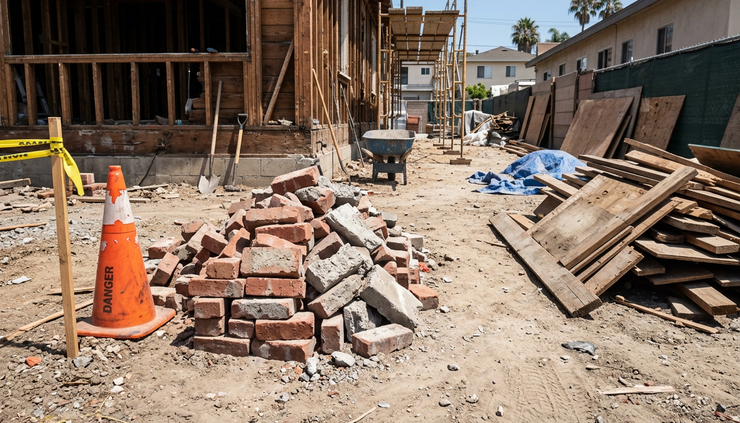
Reuse is often better than dumping
If the bricks are whole, attractive, or older clay bricks with character, try reuse before disposal. A stack that looks like waste to one person may be useful for a patio border, garden path, fire pit surround, or repair project.
Good reuse options include:
Local salvage yards
Building material reuse centers
Gardeners and landscapers
Neighborhood giveaway groups
Online classifieds
Contractors who work on older homes
Be honest in the description. Say whether the bricks are whole, chipped, painted, mortared, or mixed with broken pieces. Include the approximate quantity and whether the person picking them up needs to load them.
For small amounts, reuse is often the easiest route. A dozen to a few hundred bricks can disappear quickly if they are stacked near the curb with permission and clearly marked. Just do not leave them in the public right-of-way without checking local rules.
If the bricks are covered in thick mortar, reuse becomes harder. Some people will still take them for rustic landscaping, but most salvage buyers want bricks that are fairly clean.
What to know before hauling brick yourself
Brick is heavier than it looks. A small pile can overload a pickup, damage suspension, or create a safety hazard if it shifts on the road.
Use a conservative loading plan:
Keep the load low and evenly spread
Do not stack brick above the bed rails
Use a tarp or straps so loose pieces do not fall out
Wear gloves, eye protection, and sturdy shoes
Bring a broom and shovel for cleanup
Check whether the facility requires a hard hat or safety vest
Call ahead and ask about fees. Many debris sites charge by weight, while some have minimum charges for small loads. Others may have different rates for clean inert material and mixed debris. Ask if they take cash, card, or only one payment type.
Also ask about residency rules. Some city-run programs serve only residents of that city. A Los Angeles resident may have different options than someone in Burbank, Glendale, San Fernando, or an unincorporated county area.

Avoid the common disposal mistakes
The biggest mistake is putting brick in a regular trash cart. Even a few bricks can make a bin too heavy for collection equipment. Construction debris can also be prohibited in curbside bins, depending on the city and hauler.
The second mistake is mixing everything together. A load of brick mixed with trash, drywall, and old paint cans may be treated as general waste, and that can cost more.
Illegal dumping is another risk. Leaving brick in an alley, vacant lot, wash, roadside, or behind a business can lead to fines, cleanup charges, and complaints. It also creates hazards for vehicles, pedestrians, and stormwater systems.
If you hired a contractor, confirm disposal responsibilities in writing. The agreement should say who removes the brick, where the debris goes, and whether disposal fees are included. For larger remodels, ask for weight tickets or disposal receipts.
A simple plan for brick disposal in Los Angeles and the Valley
For a small pile of usable brick, start with reuse. Post it locally, call salvage yards, or ask a landscaper if they can use it.
For broken but clean brick, look for a construction and demolition recycling facility or inert debris site. This is often the best fit for patio removal, wall demolition, chimney brick, or leftover masonry from a project.
For mixed debris or heavy loads, compare transfer stations and licensed haulers. A hauler may cost more than doing it yourself, but it can be safer if the load is large or you do not have the right vehicle.

Brick disposal is easiest when you separate the material, call ahead, and choose the right destination. Clean brick may have a second life. Broken brick can often be recycled. Mixed debris needs a facility or hauler that handles construction waste. A little planning keeps the load legal, cheaper, and out of the wrong place.


Comments