Why Contractors Choose Los Angeles Disposal for Concrete Asphalt Brick and Dirt Dumping

Updated: Oct 8
A stalled dump run can throw off an entire job. When a crew has concrete piled near the curb, asphalt coming off a driveway, brick from a demo, or dirt from grading, the next question is simple: where can it go without wasting time?
That is why many contractors look for a disposal partner that understands heavy construction debris. The right facility does more than accept material. It helps crews keep trucks moving, avoid rejected loads, and stay focused on the work they were hired to do.

Contractors need a dumping option that fits the pace of the job
Construction schedules rarely leave extra room for confusion. A concrete tear-out may start early in the morning. A paving crew may need asphalt removed before the next phase begins. A grading crew may fill trucks with dirt faster than expected.
For these jobs, contractors need a disposal site that can handle common dense materials such as:
Concrete from sidewalks, slabs, patios, and foundations
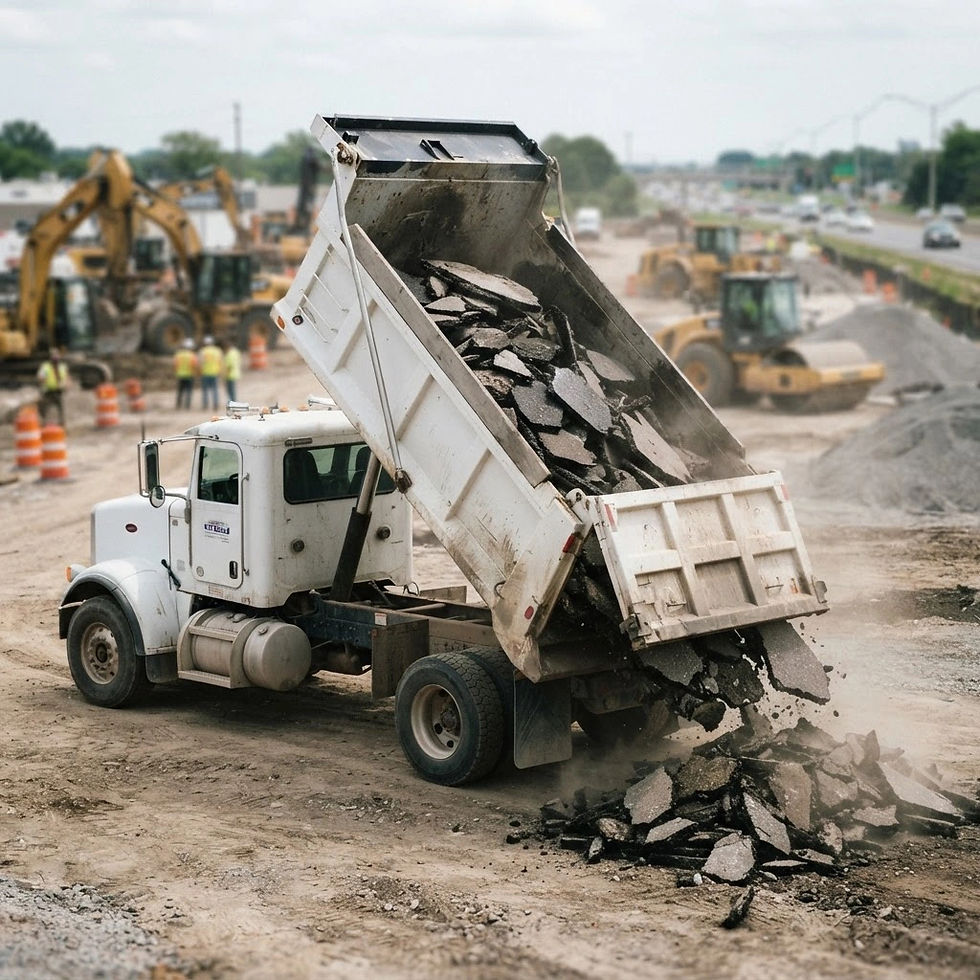
Asphalt from driveways, parking lots, and road patches
Brick from walls, chimneys, and hardscape demolition
Dirt from excavation, trenching, grading, and site prep
The reason contractors choose Los Angeles Disposal for concrete asphalt brick and dirt dumping often comes down to reliability. Heavy debris is different from general trash. It requires space, equipment, clear load rules, and a process that keeps delays low.
When a facility is set up for these materials, drivers spend less time guessing. They know where to enter, where to weigh or check in, where to unload, and how to exit safely. That kind of order matters when one truck is part of a larger crew schedule.
Clear material handling reduces costly surprises
Rejected loads are a headache. They waste fuel, time, and labor, and they can push a project behind schedule. For contractors, one of the most useful things a disposal provider can offer is clarity before the truck arrives.
Clean loads usually move faster. A load of concrete with rebar may be handled differently than plain broken concrete. Dirt mixed with trash, green waste, or hazardous material can create problems. Asphalt, brick, and concrete may need to stay separate, depending on the site’s rules and the intended handling process.
Good dumping practices start at the jobsite. Crews can make disposal smoother by separating materials as they work.
Concrete and asphalt should stay as clean as possible. Sweep away trash, wood, plastic, and packaging. Keep soil contamination low when practical.
Brick should be sorted away from general demolition debris. Mixed demo loads may need a different disposal route.
Dirt should be checked before hauling. Dirt from ordinary site work is not the same as dirt that may be contaminated by fuel, chemicals, or unknown fill.

Contractors also value direct communication. If a crew knows what the facility accepts, what must be separated, and what could cause a load to be refused, the entire job runs more smoothly. That is especially helpful for smaller contractors who may not have a dedicated dispatcher managing every haul.
Location and access matter when trucks are on the clock
Dumping is not just about the fee at the gate. It is also about drive time, traffic, fuel, labor, and truck availability. A disposal site that is convenient to active job areas can save a contractor more than it first appears.
Every extra mile affects the day. A dump truck stuck in traffic is not hauling the next load. A trailer waiting to unload is not helping the crew clear the site. When debris removal slows down, demolition and construction can slow down with it.
Contractors often compare disposal options based on practical questions:
What contractors look for | Why it matters |
Easy truck access | Reduces backing, waiting, and confusion |
Room to unload | Helps drivers dump safely and quickly |
Clear instructions | Cuts down on mistakes at check-in |
Material-specific areas | Keeps concrete, asphalt, brick, and dirt organized |
Consistent process | Helps crews plan repeat trips |
A predictable process is especially useful on multi-load jobs. Once the first driver understands the routine, the next trips become easier. That steady rhythm can make a long hauling day feel controlled instead of chaotic.
Disposal support helps contractors protect the jobsite
A clean jobsite is safer, easier to manage, and more professional. Piles of concrete, asphalt, brick, and dirt can block access, damage finished surfaces, and create hazards for equipment and crews. Removing material promptly gives the site room to breathe.
This matters on both residential and commercial projects. On a home renovation, piles of debris can irritate neighbors or limit driveway access. On larger jobs, heavy debris can interfere with staging areas, deliveries, and equipment movement.

Reliable dumping also supports better planning. If a contractor knows where debris will go, crews can decide where to stage materials, how many trucks to schedule, and when to start hauling. That helps avoid a common problem: demo moving faster than disposal.
Heavy material can build up quickly. One slab removal or driveway tear-out can fill trucks sooner than expected. Having a known disposal option reduces the scramble.
Recycling and material recovery can be part of the value
Many contractors prefer disposal options that support material recovery when possible. Concrete and asphalt are commonly processed for reuse in construction applications. Brick and clean dirt may also have reuse potential depending on condition, local rules, and facility practices.
The exact handling process varies by site and material, so contractors should ask before hauling. Still, the larger point is clear: separating heavy construction debris from general trash can support a better outcome than sending everything into one mixed load.
That can also help contractors present a more responsible approach to clients. Property owners often ask what happens to removed material. A contractor who can explain that concrete, asphalt, brick, and dirt are being handled through the proper channel shows care and planning.

The best disposal choice keeps projects moving
Contractors choose disposal providers for practical reasons. They need a place that accepts the right materials, gives clear instructions, and helps drivers unload without confusion. They need access that works for trucks, not just a pin on a map. They need a process that fits real jobsite pressure.
For concrete, asphalt, brick, and dirt, the difference between a smooth dump run and a messy one can show up across the whole project. Crews stay productive. Jobsites stay cleaner. Trucks get back on the road faster.
The takeaway is simple: good dumping is part of good project management. When heavy debris has a clear path off the site, contractors can keep their attention where it belongs, on finishing the work safely, efficiently, and on schedule.


Comments