Where to Dump Dirt in Los Angeles and Nearby San Fernando Valley Cities

Updated: Oct 8
Extra dirt sounds simple until it is sitting in your driveway, filling up a pickup bed, or blocking a side yard after a landscaping project. In Los Angeles, you usually cannot put soil in a regular trash bin, and many dump sites will turn it away if it is mixed with roots, trash, concrete, paint, or other debris.
The right place depends on what kind of dirt you have, how much you have, and where the project is located. A small garden pile in Studio City is a different problem than several truckloads from a grading job in Chatsworth, Burbank, or Santa Clarita.
Visit Los Angeles Disposal
Your trusted dump yard and concrete recycling facility in Sun Valley, CA, accepting concrete, asphalt, brick, dirt, and construction debris.
📍 9760 Glenoaks Blvd, Sun Valley, CA 91352📞 (818) 625-925
Serving Los Angeles, Burbank, Glendale, North Hollywood, Van Nuys, and surrounding areas.

Start by figuring out what kind of dirt you have
Before looking for a dump site, separate the dirt into the right category. Facilities often price and accept material based on what is in the load.
Clean fill dirt is usually the easiest to place. It is natural soil with no trash, chemicals, asphalt, concrete, plaster, drywall, plastic, treated wood, or heavy roots. Some landscape yards, grading contractors, ranch properties, or fill projects may accept clean dirt if they need it.
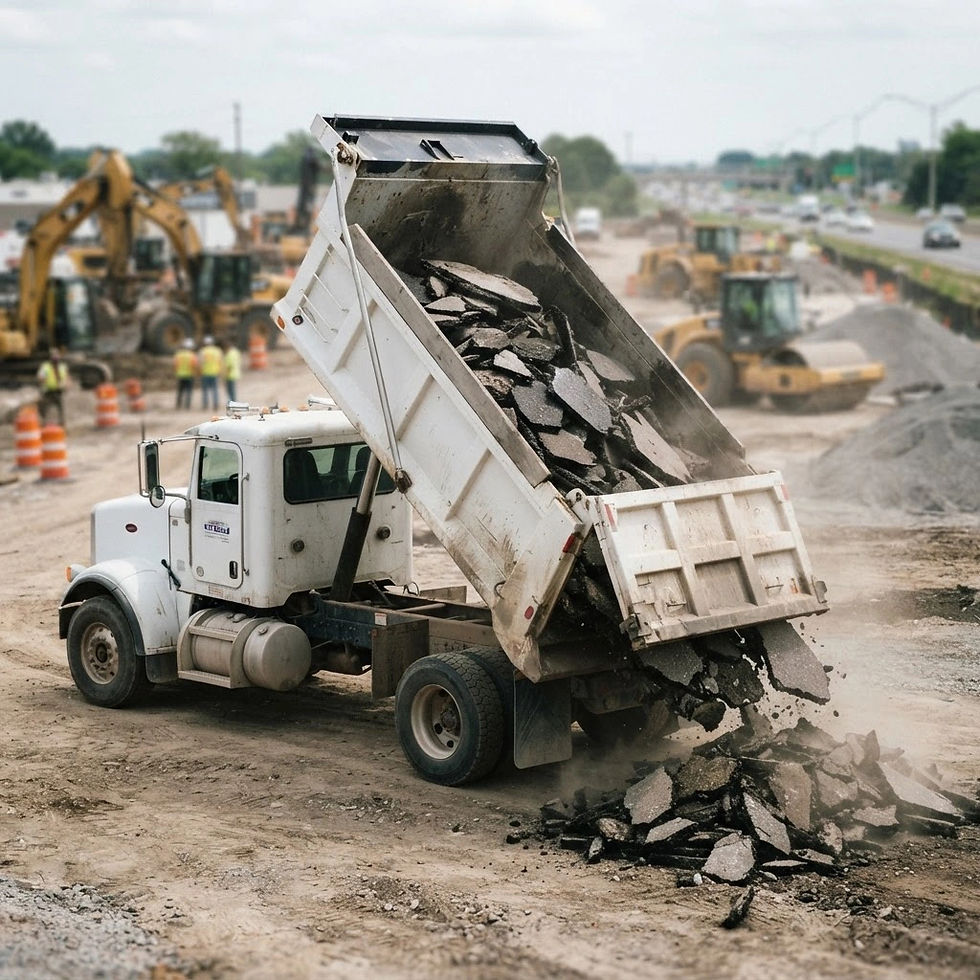
Mixed construction debris is different. If your pile includes broken concrete, bricks, asphalt, tile, or demolition scraps, you may need a construction and demolition recycling facility or an inert debris landfill.
Questionable or contaminated soil needs extra care. Dirt from areas with fuel spills, industrial use, lead paint chips, chemical storage, or unknown staining should not go to a regular clean-fill site. Call a qualified environmental professional or a permitted disposal facility before moving it.
A good rule: if you would not want it spread under a new lawn, do not call it clean fill.
Common places to dump dirt in Los Angeles
There is no single answer for where to dump dirt in Los Angeles and nearby San Fernando Valley cities because rules change by facility. Call ahead, describe the material, and ask what they require before loading the truck.
Here are the most common options.
Inert debris landfills
These sites may accept soil, rock, concrete, brick, and similar materials. They are meant for non-organic, non-hazardous debris. Loads still need to meet the facility’s rules.
Construction and demolition recycling facilities
These are useful when dirt is mixed with concrete, asphalt, brick, or construction debris. Some facilities sort material and recycle what they can. Acceptance rules vary, so ask if they take soil and whether it must be separated.
Transfer stations
Some transfer stations accept limited inert material, while others focus on trash and green waste. Do not assume they take dirt. Soil is heavy and can create handling issues, so many sites have strict limits.
Landscape supply yards and soil yards
Some yards accept clean fill if they can reuse it. This is more likely when the dirt is dry, free of debris, and easy to verify. Wet clay, weed-filled soil, or dirt mixed with roots may be rejected.
Local hauling companies
For larger projects, a dirt hauling service may be the easiest option. A hauler should know which facilities are currently accepting soil from Los Angeles, the San Fernando Valley, and nearby cities.

San Fernando Valley cities and nearby areas to keep in mind
The San Fernando Valley covers a lot of ground, and disposal options can change depending on whether the job is in the City of Los Angeles or an incorporated city nearby.
Within the Los Angeles side of the Valley, projects may come from Van Nuys, North Hollywood, Studio City, Sherman Oaks, Encino, Tarzana, Reseda, Northridge, Chatsworth, Canoga Park, Woodland Hills, Sun Valley, Pacoima, and Sylmar. These neighborhoods often fall under City of Los Angeles rules for hauling, street use, and illegal dumping.
Nearby incorporated cities may have their own public works or waste rules. These include:
Burbank
Glendale
San Fernando
Calabasas
Hidden Hills
Santa Clarita
Simi Valley
Pasadena
Beverly Hills
West Hollywood
Culver City
If the dirt is coming from a permitted construction job, check the permit conditions. Some projects require debris documentation or receipts showing where material was taken.
For hillside or grading projects in places like Woodland Hills, Calabasas, La Cañada Flintridge, or the Santa Monica Mountains area, be extra careful. Soil movement, erosion control, and hauling routes can be subject to local rules.
What to ask before driving to a dump site
A few phone calls can save a wasted trip, a rejected load, or an unexpected fee. Before taking dirt anywhere, ask clear questions.
Do you accept clean fill dirt?
Do you accept soil mixed with rock, asphalt, concrete, or roots?
Is there a minimum or maximum load size?
Do you require the dirt to be dry?
Do you need a soil report or origin information?
Are pickup trucks accepted, or only commercial vehicles?
What are the current hours and payment options?
Do you require tarping the load?
Most places will also want to know where the dirt came from. A homeowner’s garden excavation in Encino is different from soil removed near an auto shop, older industrial property, or commercial site.

What not to do with extra dirt
Dumping dirt in an alley, vacant lot, wash, hillside, storm drain area, or curbside pile can create drainage problems and may count as illegal dumping. Los Angeles and surrounding cities take illegal dumping seriously, especially when material blocks streets, clogs gutters, or ends up in waterways.
Avoid these common mistakes:
Do not fill the black trash bin with soil
Dirt is extremely heavy. It can damage bins, create safety issues, and may be refused by the waste hauler.
Do not mix dirt with green waste
Branches, sod, roots, and soil are often handled differently. Mixed loads are harder to recycle and easier to reject.
Do not assume “free dirt” posts solve the problem
Giving away clean fill can work, but people usually want specific amounts and easy access. Be honest about clay, rocks, weeds, and debris.
Do not haul uncovered loads
Loose dirt can spill or blow out. Use a tarp and secure it well, even for a short drive through North Hollywood, Glendale, or Burbank.
When hiring a dirt hauling service makes sense
If you have more than a small pickup load, hiring a hauler can be worth it. This is especially true for backyard digs, pool removals, retaining wall work, trenching, and landscape grading.
A good hauler should be able to explain:
Where the dirt will go
Whether the facility accepts your material
How they price the job
Whether loading is included
What access they need for a truck or trailer
Whether they can provide disposal receipts
For tight Valley lots in places like Sherman Oaks, Studio City, and Encino, access matters. Narrow driveways, low wires, steep streets, and limited parking can affect the equipment used.

The best next step
The safest way to deal with extra dirt is to identify the material first, then call nearby facilities before hauling. Clean, dry, separated soil gives you the most options. Mixed or questionable soil needs more planning.
If the pile is small, look for a permitted facility, soil yard, or local reuse option. If the pile is large, heavy, or mixed with debris, contact a dirt hauling company that regularly works in Los Angeles, the San Fernando Valley, and surrounding cities.
A few checks up front can keep the job legal, prevent rejected loads, and get that dirt off your property without turning a simple cleanup into a bigger problem.


Comments